The 6 to 8 Golden Window: Why Your Best Social Hours Are Hiding in Plain Sight
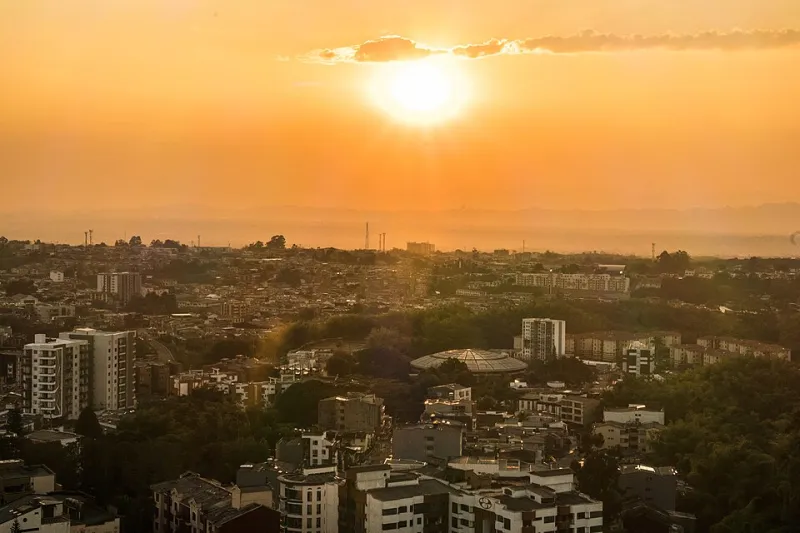
Photo: Andres Franco, CC BY 3.0, via Wikimedia Commons
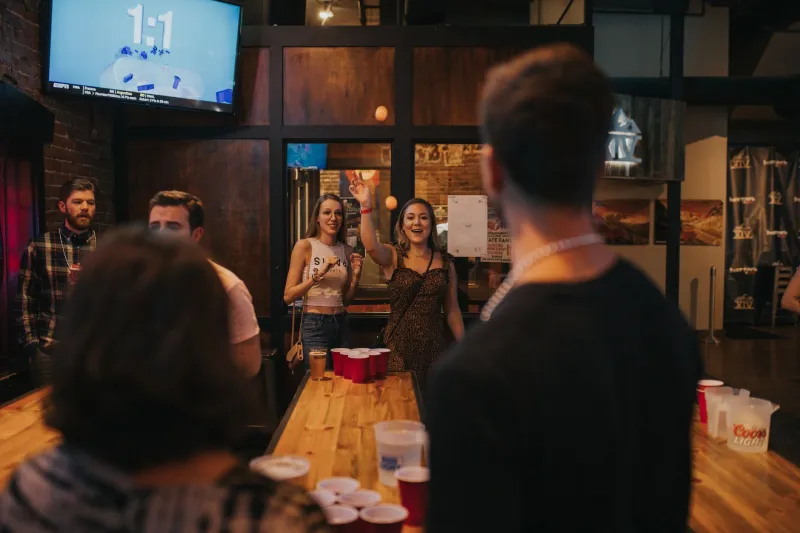
Somewhere along the way, we all agreed that socializing happens at night. Dinner at 8. Drinks at 9. The bar at 10, where conversation competes with a speaker the size of a refrigerator. And every time, the same thing happens: you're tired, you're checking the time, and you're spending $18 on a cocktail you didn't really want.
Here's a radical proposal: move everything two hours earlier. The window from roughly 6 to 8 p.m. — golden hour, happy hour, the slow amber light that makes everyone look like the main character — is the single most underrated social slot on the calendar. And the people who've figured that out are quietly winning at life.
Why Golden Hour Just Works
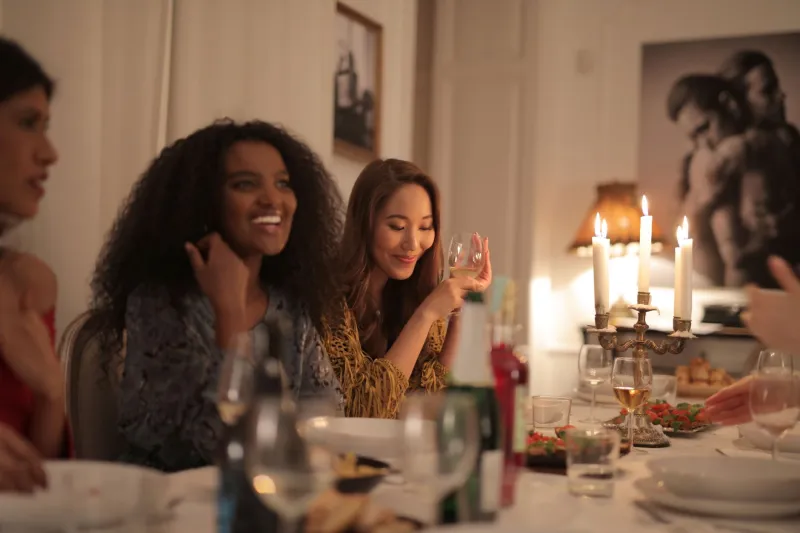
There's a practical reason and a biological one. Practically: 6 to 8 p.m. is when people are already awake, already dressed, and already out of work. No one needs a nap, a babysitter, or a pep talk to attend something that ends before their bedtime.
Biologically: late afternoon into early evening is when your energy and mood naturally peak. Cortisol's settled, social batteries are recharged from the day, and the fading light genuinely makes people calmer and more open. There's a reason every photographer on earth plans shoots around this light — and it turns out it works on group dynamics too.
Add in the fact that happy hour pricing kicks in right around then, and the case is basically closed.
The Golden Hour Playbook: Ideas for Every Season
The beauty of the sunset social is how little effort it takes. A few low-lift formats to steal:
Rooftop or patio happy hour (spring–fall). The classic. Find a rooftop, a beer garden, or a patio with a western view, arrive by 6, and let the light do the ambiance budgeting for you. Pro move: pick a spot where you can grab a table without a reservation. Golden hour punishes the over-planned.
Park picnic, BYO everything (spring–fall). A blanket, a grocery-store spread, a speaker at respectful volume, and a frisbee nobody actually uses. Total cost per person: under $15. Vibe: unbeatable. This is the highest return-on-effort hangout in existence.
Porch or stoop session (all year, weather permitting). The most old-school format on the list and somehow the coolest. Folding chairs, drinks in a cooler, neighbors walking by. It costs nothing and it makes your block feel like a neighborhood again.
Golden hour walks (fall and winter). When it gets cold, shift the format: a sunset walk with thermoses of something warm. Coffee in hand, jackets on, city lights coming up as you talk. Walking side by side is famously how people have real conversations — better than any bar booth.
The early dinner swap (winter). In the darker months, flip dinner to 5:30 or 6. Early-bird reservations are easier to get, restaurants are quieter, and you're home by 8:30 feeling like a person who has their life together.
The Money and Energy Math
Run the numbers on a standard night out: rideshares, premium drinks, late-night food, the next day written off. A golden hour hangout routinely costs a third as much and costs you zero of tomorrow. You're home by 9, asleep at a reasonable hour, and nobody's texting the group chat at 1 a.m. asking if everyone got home okay.
And the energy exchange is the real win. Night-out plans demand performance. Sunset plans demand nothing but presence. People talk more honestly at 6:45 on a park blanket than they ever will at 11 p.m. under a strobe light.
Make It a Ritual, Not a One-Off
The final unlock: make it recurring. First Friday sunset hang. Weekly Wednesday park hour. A standing porch session whenever the weather allows. When golden hour hangs become a rhythm, they stop requiring coordination entirely — the group chat just knows.
The nightlife industrial complex wants you to believe the party starts at 10. It doesn't. It starts when the light turns gold, the work day is done, and the whole evening is still ahead of you.
Catch you on the roof at 6:15.