'We Should Hang Out Sometime' Is Not a Plan: The Case for Becoming the Friend With the Calendar

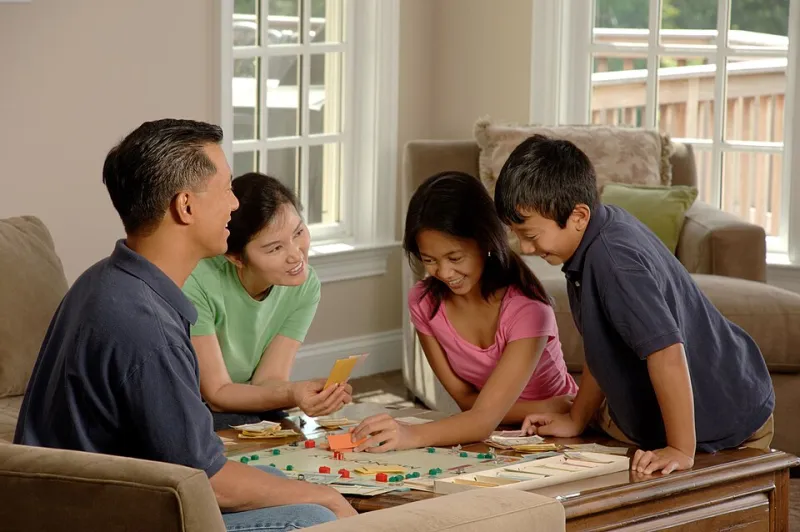
Photo: Ahmed Mo Abd Elaaty, CC BY-SA 4.0, via Wikimedia Commons
Scroll up in any group chat in America and you'll find it: a message, sent weeks ago, radiating pure good intentions. "We should all hang soon!!" Followed by six thumbs-up reactions, one crying-laughing emoji, and then absolutely nothing. No date. No plan. No hang.
"Soon" has become the most socially acceptable way to never see your friends again.
Here's my controversial take: nobody under 35 forgot how to make friends. They forgot how to make plans — and the two are not the same thing.
The Vague Invite Epidemic
The phrase "we should hang out sometime" feels warm, but functionally it's a handshake with no hand. It transfers all the emotional credit of making a plan while assigning zero of the actual work. Everyone feels good. Nothing happens.
Meanwhile, the group chat has turned planning into a democratic process with no chair. Someone floats an idea. Someone else says "omg yes." A third person asks "when?" And then the conversation dissolves into a sea of "I'm down, depends on the day" — which is not an answer, it's a shrug in text form.
Twenty messages later, the moment has passed, everyone's tired, and the plan dies of natural causes. Two weeks later, someone posts "we never hang out anymore 😔" and the cycle begins again.
Why Being the Planner Is Secretly a Superpower
There's a reason the person who actually books the brunch table becomes the gravitational center of every friend group. Social energy doesn't come from wanting to hang out. It comes from events existing. A plan is a piece of infrastructure, and somebody has to build it.
And here's the part nobody says out loud: most people don't want to plan — they want to be invited. Research on friendship formation keeps landing on the same finding: proximity plus repetition plus initiative is what turns acquaintances into friends. Initiative is the scarce resource. Everyone's waiting for it. Be it.
Yes, planning means risking a "can't make it." But a no to a real plan costs you nothing. A maybe to a vague idea costs you the friendship's momentum.
The Playbook: How to Plan Like People Love
Rule 1: Never invite a group to an idea. Invite them to an event.
The difference between "wanna hang out this weekend?" and "I got a table at the taco place Saturday at 7, who's in?" is the difference between a discussion and a decision. Specific invites get specific answers.
Rule 2: Cap the group chat deliberation at 24 hours.
Propose, give people a day to respond, then lock it. "Looks like it's me, Dana, and Marcus for Saturday — we'll miss you Jess, next time!" This sounds harsh. It's actually the most respectful thing you can do, because it lets the yeses commit and frees the noncommittal from limbo.
Rule 3: Use the two-option close.
When people are waffling, shrink the decision: "Saturday 7 or Sunday 2?" Two options, both real. Human brains are terrible at open-ended questions and great at picking between two doors.
Rule 4: Send the calendar invite. Yes, for friends.
A calendar invite feels corporate until you realize it's the single most reliable way a plan survives contact with the week. It converts "I'm down" into an actual block of time. Nobody has ever been offended by an event titled "Trivia, Thursday, 8pm."
Rule 5: The invite template that just works.
"🎲 Game night at mine, Saturday 7pm. I've got snacks and a deck of cards — bring a drink and one bad friend. Who's in?"
Notice what it does: time, place, what's provided, what to bring, a reason to say yes, and a joke. That's the whole formula. Under 40 words.
The Timing Rules Nobody Teaches You
- Send invites Tuesday or Wednesday for weekend plans. Monday everyone's despairing; Friday everyone's committed.
- Give two weeks' notice for big things, three days for small ones. Less than that and you're catching people's chaos instead of their calendars.
- Follow up once, individually, not in the chat. A DM to the friend who's been quiet — "you in for Saturday? Would be good to see you" — converts more yeses than any group message ever will.
Be the One Who Actually Does the Thing
Every friend group has exactly one person who makes things happen, and everyone else is quietly grateful for them. It's not a burden — it's leverage. The planner chooses the venue, sets the vibe, and becomes the reason the group exists as a group at all.
So the next time your chat starts drifting toward "we should really do something soon," don't add a thumbs-up. Add a date.
"Soon" is where friendships go to die. Saturday at 7 is where they live.