The Basket by the Door: How Phone Stacking Became the Polite Way to Say 'Be Here'
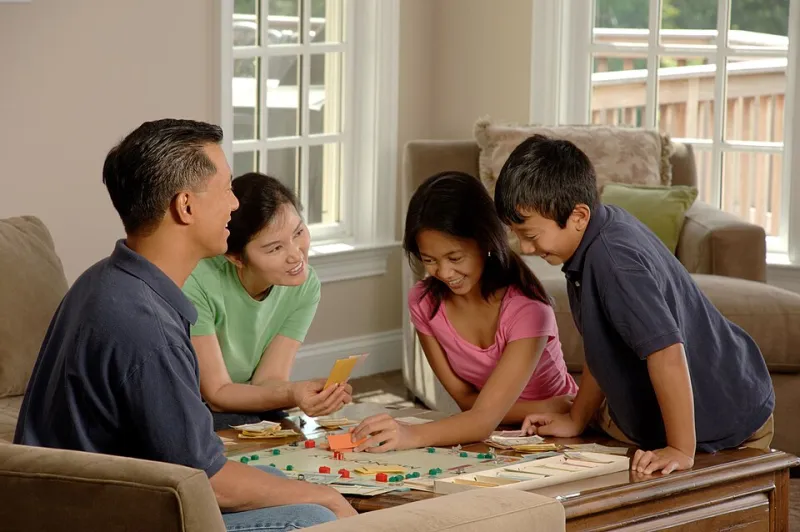
Photo: Bill Branson (Photographer), Public domain, via Wikimedia Commons
Somewhere between the charcuterie board and the second round of Uno, it happens: someone's eyes drift down to their lap, thumb scrolling, body present but brain clearly in another zip code. Nobody says anything. But everybody notices.
That tiny moment of collective resentment is exactly why the phone stack was born — and why it's quietly becoming the most requested house rule in America's living rooms.
What Exactly Is a Phone Stack?
The concept is almost embarrassingly simple. When guests arrive, phones go face-down (or off) in a stack — or a bowl, a basket, a vintage lunchbox, whatever's handy — and nobody touches them until the night ends. First one to cave loses, and depending on your house rules, the loser buys the next pizza, does the dishes, or suffers the ultimate punishment: being the designated dishwasher for the group chat for a month.
It started as a bar game, a way to call out the friend who couldn't survive two drinks without checking Instagram. But somewhere along the way, it morphed into something bigger — a declaration of intent. The stack says: tonight, we're actually here.
The Attention Economy Came for Your Game Night
Here's the uncomfortable truth: your attention is a product, and your phone is a vending machine engineered to sell it. App designers call it "time well spent." Behavioral scientists call it variable reward scheduling — the same slot-machine loop that keeps people pulling levers in Vegas.
Every buzz is a tiny bet your brain can't resist checking. And game night, with its natural pauses between turns, is basically a series of open invitations to check out. Studies on "phubbing" — phone snubbing — have found that even the presence of a phone on the table lowers conversation quality and perceived empathy, even when nobody touches it.
So the stack isn't really about discipline. It's about removing the temptation from the room entirely. Willpower is a terrible bouncer. A wicker basket is a great one.
The Rules Groups Are Making Up (and Mostly Agreeing On)
Because this trend is peer-to-peer, the etiquette is gloriously homemade. A few house rules that keep popping up across the country:
- The Emergency Exception. Phones stay in the stack, but anyone expecting a babysitter issue, a work crisis, or a fantasy football injury report gets their phone face-up and on silent. One glance to triage is allowed; disappearing for twenty minutes is not.
- The Loser Tax. First to break the stack covers the food order, refills the snacks, or hosts next time. Stakes keep it fun instead of preachy.
- The Photo Clause. One group photo at the start of the night, then the stack. Everyone gets the memory; nobody gets the scroll.
- The Graceful Re-Entry. When the night ends, everyone checks phones together while putting shoes on. It turns the return to the digital world into a shared landing instead of a mass exodus.
Notice what's missing: shame. The best versions of this trend aren't lecturing anyone about screen time. They're just making presence the default.
How to Host Your First Screen-Free Night Without the Awkward Silence
Worried your crew will revolt? They won't — if you frame it right. Here's the playbook:
1. Announce it in the invite, not at the door. "Game night Saturday — we're doing the phone stack thing, bring your charger and your A-game." Surprise confiscations feel rude. Heads-up feels like a theme.
2. Put the basket somewhere visible and kind of funny. A labeled shoebox that says "DIGITAL PURGATORY" gets more compliance than a silent bowl ever will. Humor lowers resistance.
3. Pick games with no dead air. Rapid-fire card games, team trivia, anything with constant turns. Dead time is when hands wander toward pockets.
4. Feed people early. A hungry group with nothing to do but talk is a hungry group reaching for their phones. Get snacks out before the stack goes live.
5. Lead by losing. Host first, phone in the basket first. If you break the stack, pay the tax loudly and cheerfully. Nothing kills the vibe like a hypocrite with a host's advantage.
6. Keep the first one short. A two-hour screen-free hangout is an easy win. A six-hour marathon is how you get a mutiny.
Why This Tiny Ritual Sticks
Ask anyone who's done it and the reviews are eerily consistent: the night felt longer, in the best way. Without the constant micro-escapes of a feed, conversations go deeper, games get louder, and the inside jokes multiply. Time dilates when you're actually in it.
The phone stack won't fix your screen-time report. That's not the point. It's a two-hour treaty — a small, repeatable ritual that reminds a group of friends what undivided attention feels like. And once you've had a night like that, the basket by the door stops feeling like a rule.
It starts feeling like the whole reason you showed up.