Everything Old Is the Move: How '90s and 2000s Nostalgia Took Over the Social Scene
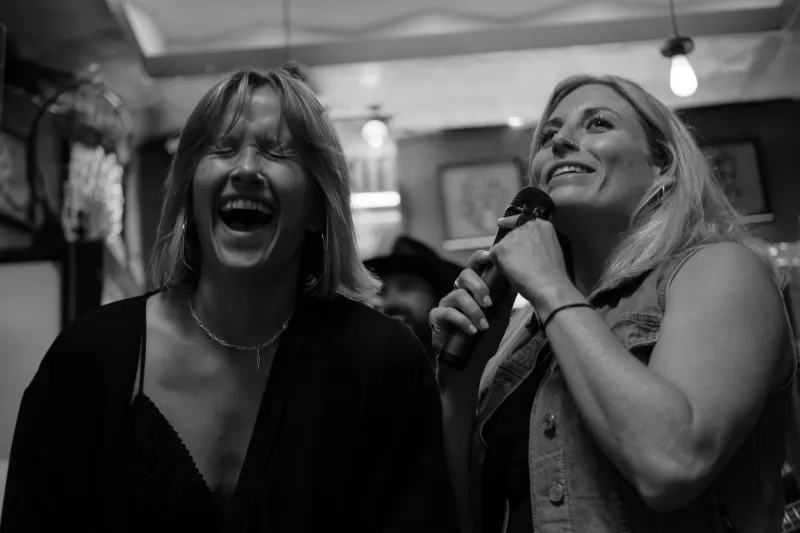
Something strange happened at a house party in Austin last spring. The host swapped out the usual playlist for a two-hour block of early 2000s pop-punk and R&B — think Destiny's Child bleeding into Simple Plan — and the whole energy of the room shifted. People who'd been awkwardly nursing drinks suddenly had something to say. Someone found a dusty copy of Lizzie McGuire on a streaming service. By midnight, there were twelve people crammed on a couch doing full lip-sync performances to Nelly.
Nobody planned it. It just happened. And honestly? That's kind of the whole point.
Nostalgia has always been around, but right now it's operating at a completely different level. It's not just background sentiment — it's become social currency. A vibe engine. The fastest way to turn a room full of strangers into a crew that feels like it's known each other forever.
Why the '90s and 2000s Hit Different Right Now
There's actually some real psychology behind why these specific decades keep showing up everywhere. For millennials, the '90s and early 2000s represent a pre-internet-in-your-pocket era — a time when things felt slower, more tactile, and somehow more real. For Gen Z, who grew up watching older siblings or parents live through those years, there's this fascinating secondhand nostalgia happening. They're not remembering it — they're romanticizing it, which in some ways makes the pull even stronger.
Psychologists call this "nostalgia as social bonding," and research backs it up: shared nostalgic experiences increase feelings of connectedness and belonging, even between people who didn't actually live through the same moment together. You don't have to have watched TRL in real time to feel something when "Bye Bye Bye" comes on. The idea of that era — the frosted tips, the flip phones, the chaotic optimism — is enough to create a shared emotional shorthand.
And shared shorthand is basically the foundation of any good night out.
How Venues Are Riding the Wave
Bars and event promoters have absolutely clocked this. Across the US, throwback nights have gone from novelty to staple. In cities like New York, Chicago, and LA, dedicated Y2K nights at clubs and bars have become some of the most consistently packed events on the calendar. Dress codes lean into it — think bedazzled butterfly clips, Von Dutch hats, low-rise everything — and DJs pull from playlists that feel like a time capsule someone cracked open in the best possible way.
But it's not just the big cities. Local bars in smaller markets are running early-2000s trivia nights, complete with rounds dedicated to defunct TV shows, discontinued snack foods, and pop culture moments that feel like they happened both yesterday and a hundred years ago. The format works because it gives people something to do with their nostalgia. It's not passive — it's participatory.
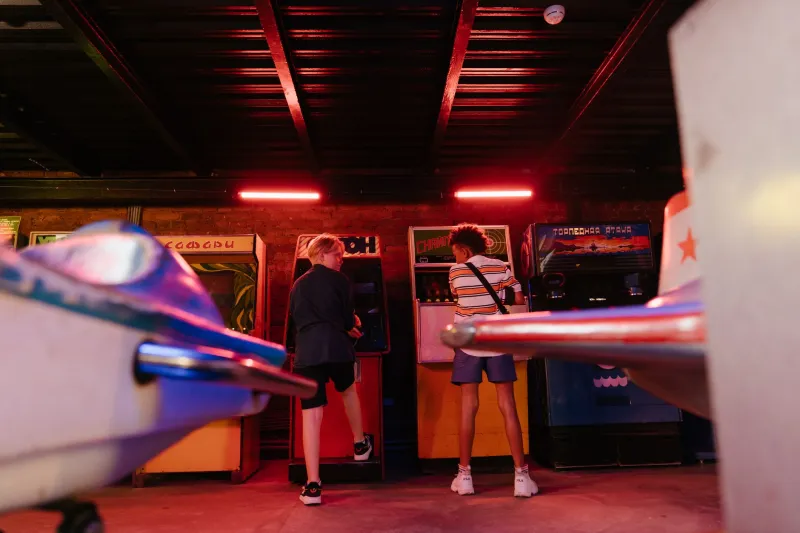
Some venues have gone even further. Immersive pop-ups styled like a '90s mall food court, complete with Orange Julius signage and a Sbarro mock-up, have popped up in cities like Dallas and Denver. The line between theme party and full-on experience design is basically gone at this point.
The House Party Version Is Just as Strong
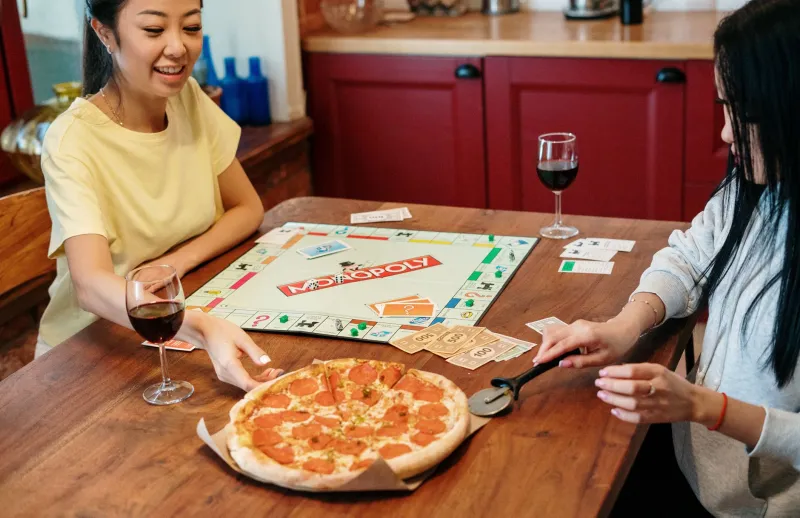
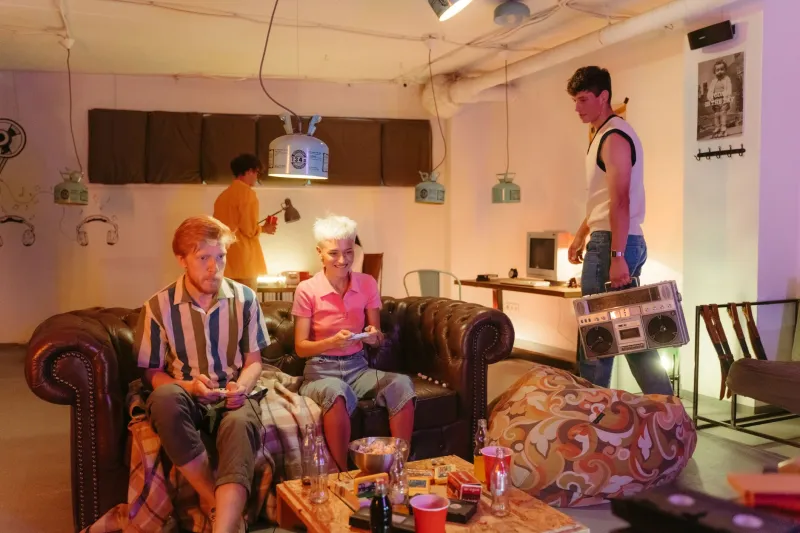
You don't need a venue budget to make this work, though. Some of the best throwback experiences happening right now are living room situations. Hosting a Y2K movie marathon — Clueless, Mean Girls, Bring It On, maybe some early Fast & Furious — is genuinely one of the easiest ways to create an instant vibe. Throw together a snack spread that leans retro (Dunkaroos, anyone?), build a playlist that starts with late '90s pop and ends somewhere around 2007, and you've got the bones of a night people will actually talk about afterward.
The key is commitment to the bit. Half-measures don't land the same way. When someone goes full send on the theme — the decorations, the music, the snacks, maybe even a dress code — it signals to everyone in the room that this is a curated experience, not just a hangout. And people respond to that. It makes the whole thing feel worth showing up for.
The Playlist Is Doing Most of the Work
If you've ever watched a room full of people suddenly come alive when a specific song drops, you already understand this. Music from a particular era doesn't just set a mood — it triggers specific emotional memories, and those memories are social by nature. You remember where you were, who you were with, what you were wearing. And when other people in the room have their own version of that memory attached to the same song, something clicks.
The best throwback playlists aren't just random hits from a decade. They have a shape to them — an arc that moves through different moods, different sub-genres, maybe even different years within the era. Starting with mid-'90s alternative and building toward early 2000s hip-hop and pop is a completely different journey than the reverse, and a good host knows the difference.
Apps like Spotify have made this easier than ever, with algorithmically curated throwback playlists that are genuinely solid starting points. But the best versions are still hand-built, because the personal curation is part of what makes it feel intentional.
Nostalgia as Conversation Starter, Full Stop
Here's the thing about throwback culture that doesn't get talked about enough: it solves one of the hardest problems in social situations, which is giving people something to actually talk about. Walking into a party where everything is just... vibes... can be exhausting. You have to generate your own momentum. But walking into a room where someone's got Lizzie McGuire on the TV and Usher playing in the background? You've already got three conversation starters before you even grab a drink.
"Did you watch this show?" "What's the best album from this era?" "Wait, do you remember when everyone had those jelly bracelets?" These aren't deep questions, but they're the kind of low-stakes, high-warmth exchanges that actually get people talking — and once people are talking, the night takes care of itself.
That's the real reason nostalgia is dominating every room right now. It's not just about missing the past. It's about using the past as a tool to make the present feel a little more connected, a little more alive, and a whole lot more worth showing up for.
The '90s and 2000s had a lot of questionable choices — the fashion alone is a whole conversation — but as a social framework? Turns out they were onto something.