Quarters Up: How Retro Arcades Became the Coolest Place Gen Z Actually Wants to Be
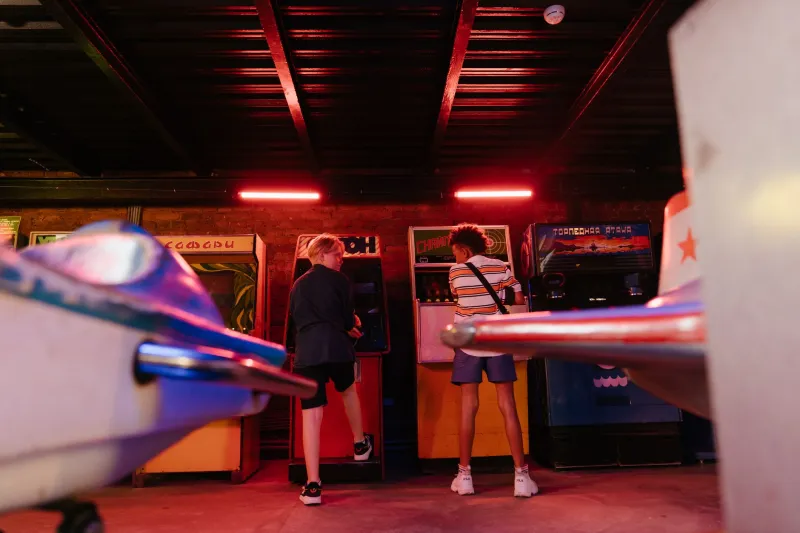
Somebody figured out that dusting off a 1980s Pac-Man cabinet and slapping it next to a craft soda tap is, apparently, a recipe for a packed Friday night. Go figure. Across the country — from Denver's basement-level game bars to Brooklyn's sprawling retro lounges — vintage arcades are having a moment so loud it's drowning out the sound of a thousand spinning stools at the sports bar next door.
Gen Z, the generation raised on console gaming and mobile everything, is the one leading the charge. And yeah, that might seem counterintuitive at first. But spend five minutes watching a group of twenty-somethings lose their minds over a Skee-Ball lane or a Street Fighter II cabinet, and it starts to make a lot of sense.
The Nostalgia Paradox
Here's the wild part: most of Gen Z wasn't even alive when these games were new. Donkey Kong dropped in 1981. Mortal Kombat hit arcades in 1992. The people pumping quarters into these machines today were either toddlers or not yet born when this stuff was culturally relevant the first time around.
So what's the pull?
It's not really about nostalgia for the games themselves — it's nostalgia for a feeling. A simpler, less-optimized version of fun. No algorithm deciding what you enjoy next. No leaderboard built to make you feel inadequate. Just a screen, some buttons, and the very immediate satisfaction of figuring something out through trial and error.
In a world where everything is personalized, curated, and served up with a recommendation engine, the arcade offers something weirdly radical: a level playing field with zero data collection.
Low Stakes, High Energy
One of the underrated reasons arcades are winning right now is the pressure-to-fun ratio. Traditional bars put a certain kind of social weight on the night. You're supposed to be charming, you're supposed to drink, you're supposed to be on. That's exhausting for a lot of people — especially for a generation that's been pretty vocal about anxiety, social fatigue, and the burnout of performing for others.
Arcades flip that script entirely. The game is the centerpiece, not you. You can be bad at it. You can be very bad at it. That's actually part of the appeal. Watching your friend absolutely fumble a round of pinball while everyone laughs? That's the content. That's the memory. No one's judging your conversational skills when there's a crane machine taunting you from across the room.
The competitive angle matters too. There's something genuinely electric about going head-to-head with someone on a racing cabinet or tag-teaming through a light-gun shooter. It creates instant camaraderie — the kind that usually takes a few drinks and a shared playlist to manufacture at a regular bar.
The Phone-Free Zone That Nobody Had to Mandate
Here's something the best arcade venues figured out without putting up a single sign: when people are actually engaged with something physical and immediate, they put the phone down on their own.
You can't doom-scroll and play Galaga at the same time. You can't half-heartedly tap a screen while also genuinely trying to beat your buddy's pinball score. The games demand presence, and that presence — that being-actually-here quality — is exactly what a lot of people are craving from their social lives right now.
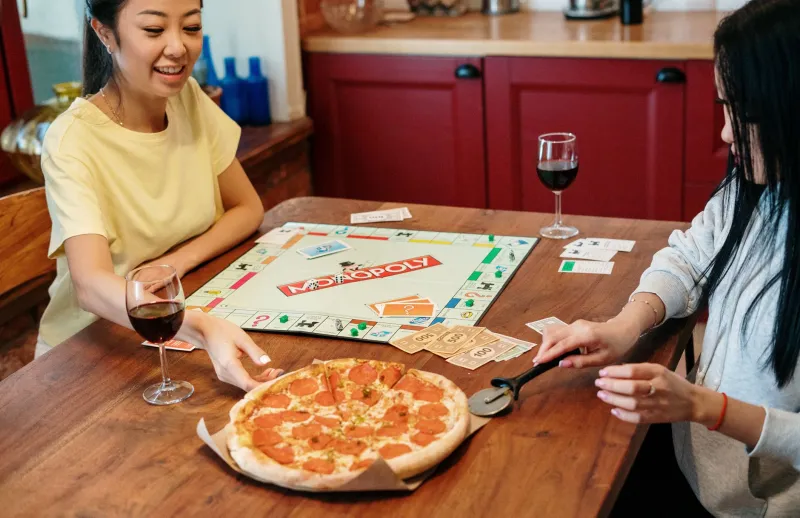
It's the same energy driving the sober-curious movement, the board game bar boom, the rise of pottery classes as date nights. People want to do something together, not just be somewhere together. Arcades nail that distinction without even trying.
The Venue Glow-Up
It also helps that the spaces themselves have gotten seriously cool. We're not talking about the sticky-carpet Chuck E. Cheese of your cousin's seventh birthday party. Today's arcade venues are designed with intention — moody lighting, solid cocktail programs (and mocktail options, increasingly), curated game selections that mix genuine classics with deep-cut cult favorites, and enough visual personality to make the whole place Instagram-worthy without feeling like it was built for the 'gram.
Places like Emporium Arcade Bar in Chicago, Boxcar Bar + Arcade in Greensboro, and the growing Dave & Buster's competitors popping up in mid-size cities are investing in the atmosphere as much as the game library. The result is a venue that works for a first date, a work happy hour, a birthday group, or a solo Tuesday night when you just need to get out of your apartment and do something.
That versatility is a huge deal. Not every social space can pull off that range.
Why This Isn't Just a Trend
It'd be easy to write this off as a nostalgia blip — a quirky phase before the next thing comes along. But there are some structural reasons to think arcades have real staying power in the current social landscape.
First, the economics work. Compared to a bar tab or a concert ticket, dropping $20 in game credits for a two-hour hang is genuinely accessible. For a generation navigating student debt and a brutal housing market, affordable fun that doesn't feel cheap is a genuine value proposition.
Second, the physical-social experience isn't going anywhere. If anything, the appetite for IRL connection is growing as people get more honest about what scrolling actually does to their mood. Arcades offer exactly the kind of tactile, face-to-face interaction that no amount of group chats can replicate.
And third — maybe most importantly — they're fun. Like, actually, unironically fun in a way that doesn't require explanation or justification. You walk in, you find a game, you play it badly, you try again, you laugh at yourself, you challenge the person next to you. That's it. That's the whole thing.
Game On
The arcade comeback isn't really about the games. It's about what the games make possible: low-pressure togetherness, genuine competition, shared laughs, and a reason to look up from your phone for a couple of hours.
Gen Z didn't rediscover arcades because they're retro. They discovered them because they work — as social spaces, as entertainment, as a vibe that hits different from anything an algorithm can serve up.
So if your crew's been cycling through the same bar rotation and wondering why nothing feels fresh, maybe it's time to find the nearest neon-lit cabinet, dig out some quarters, and let the blinking screen do the rest. Your high score is waiting.