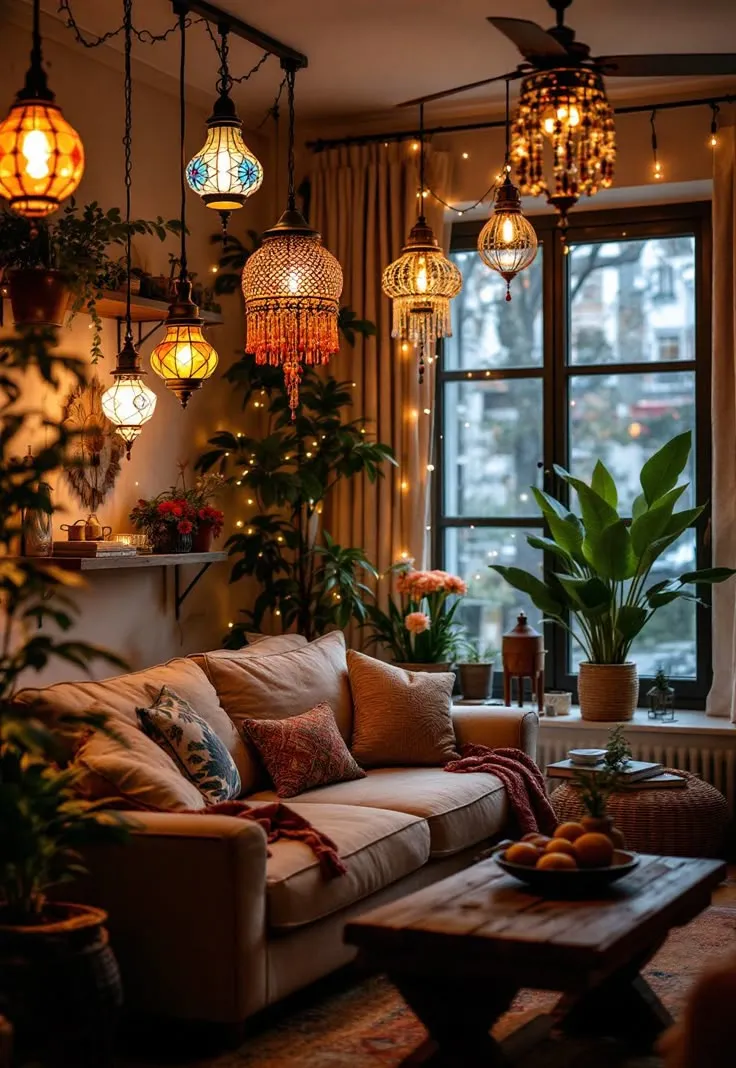
Home Is Where the Hang Is: How Your Living Setup Is Quietly Running Your Social Life

Photo: Vladimir Rodionov / Владимир Родионов, CC BY-SA 3.0, via Wikimedia Commons
You picked the apartment for the light. Maybe the location, the price, or the vibe of the neighborhood. What you probably didn't factor in was how dramatically that decision would rewire your entire social calendar. But here's the thing — it absolutely did.
Whether you're sharing a two-bedroom in Austin with a stranger from Facebook, stacked into a co-living community in Brooklyn, or finally flying solo in a studio in Denver, your living situation is one of the most underrated architects of your social life. It shapes who you hang with, how often you go out, what kind of entertainment you seek, and honestly, how happy you feel on a random Tuesday night.
Let's talk about it.
The Invisible Social Architecture of Shared Spaces
Psychologists have known for decades that proximity breeds connection — it's called the mere exposure effect, and it basically means we tend to like the people we're around most often. Your living situation puts certain people in your orbit by default. When that works, it's magic. When it doesn't, it's a very specific kind of quiet misery.
For millennials and Gen Z adults navigating the chaos of post-college life in expensive cities, the roommate lottery has enormous stakes. A compatible living situation doesn't just mean someone who does their dishes — it means someone whose lifestyle rhythm roughly matches yours. Do they want to have people over on Fridays? Are they cool with spontaneous hang sessions? Do they treat the living room like a shared social space or a personal sanctuary?
These micro-decisions add up to a macro effect on your social life. People who live with socially active roommates tend to go out more, host more, and report feeling less isolated. People stuck with incompatible housemates, on the other hand, often find themselves either hiding in their rooms or spending money they don't have just to avoid being home.
Co-Living: The Engineered Hangout
The co-living industry kind of figured all of this out and turned it into a product. Spaces like Common, Quarters, and WeLive (yes, WeWork tried the apartment thing) were built on a simple but powerful insight: adults want community, but most of us are terrible at manufacturing it from scratch.
These setups typically feature private bedrooms with shared kitchens, lounges, rooftop spaces, and regular community events — think wine nights, fitness classes, and game nights built right into the amenity package. It's basically college dorms for people with jobs, and for a lot of young professionals, it genuinely works.
"I moved to Chicago not knowing a single person," said one 27-year-old marketing coordinator who spent two years in a co-living building in Wicker Park. "Within a month I had a whole crew. We'd cook together, pregame in the common area before going out. It was the first time since college I felt like I had a built-in social life."
The trade-off, of course, is cost and a certain lack of privacy. But for people who've experienced the alternative — moving to a new city, signing a lease with strangers, and spending months eating dinner alone — the premium starts to feel worth it.
When the Vibe Doesn't Match
Flip the script, and the picture gets darker. Incompatible roommate situations don't just create awkward tension — they actively suppress your social instincts. If you're living with someone who goes to bed at 9 p.m. and passive-aggressively sighs at the sound of laughter, you stop inviting people over. You start going out less because the guilt of coming home late feels weirdly worse than just staying in. You shrink.
This is a real, documented psychological phenomenon. Chronic low-level social stress — the kind that comes from navigating a tense home environment — depletes the same mental energy you'd otherwise spend being curious, spontaneous, and present with friends. It's not dramatic. It's just a slow erosion.
Therapists who work with young adults often point to housing situations as an underexplored factor in social anxiety and loneliness. "A lot of clients come in thinking they've lost interest in socializing," noted one New York-based therapist. "Sometimes what's actually happened is their home stopped feeling like a safe base, so they've gone into a kind of low-grade survival mode."
The Surprising Power of the Communal Kitchen
Here's a detail that keeps coming up in conversations about successful shared living: the kitchen. Not the living room, not the rooftop — the kitchen.
Shared cooking, even informal and unplanned, turns out to be one of the most reliable social glue activities in a household. It creates natural overlap time, lowers the pressure of intentional socializing, and produces something tangible (food) that people can share. Households where people cook together, even just occasionally, tend to have stronger internal bonds and more active social lives overall.
It sounds almost embarrassingly simple, but the design of your shared space really does matter. A kitchen with a bar counter where people can hang out while someone cooks? That's a social feature. A galley kitchen barely wide enough for one person? That's an isolation feature. The architecture of your home is quietly programming your behavior every single day.
Choosing Your Living Situation Like You'd Choose Your Social Life
The takeaway here isn't that you need to move or that your current situation is wrong. It's more about being intentional — actually treating your living setup as a lifestyle decision, not just a logistical one.
Before signing a lease, ask yourself (and your potential roommates) the real questions: Do you like having people over? What does a typical Friday night look like for you? Are you a "living room is open" person or a "living room is quiet after 10" person? These conversations feel awkward but they're infinitely less awkward than six months of passive tension.
If you're in a solo situation and feeling the social pinch, look at what your building or neighborhood can offer. Some apartment complexes are starting to add co-living style amenities. Plenty of cities have third spaces — coffee shops, bookstores, parks — that function as informal community hubs.
And if you're somewhere in between — a decent roommate situation that's just kind of flat — consider whether the living space itself is being used to its full potential. A little intention goes a long way. A standing Friday dinner, a shared streaming night, even just a plant someone's responsible for watering can create the low-key rituals that make a place feel like more than just split rent.
Your home is always doing something to your social life. The only question is whether you're paying attention.