Forget the Bar Tab: The House Party Is Back and It's Better Than Ever
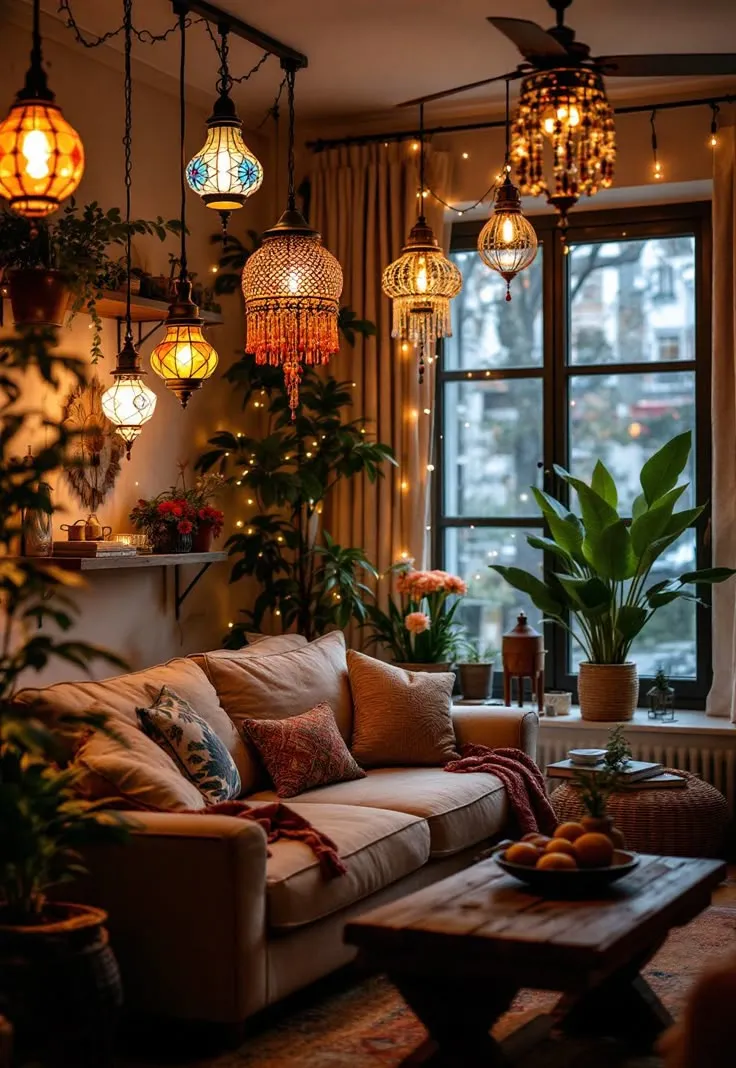
Photo: stylish house party living room with string lights cocktails and friends, via i.pinimg.com
Somewhere between a $22 cocktail and a velvet rope that doesn't move, an entire generation of young Americans quietly decided they were done. Not done going out, exactly — done paying a premium to stand in a loud room where the music is chosen by an algorithm and the bartender barely makes eye contact.
The alternative? They went home. And then they made it incredible.
The house party is experiencing a full cultural renaissance right now, and it looks nothing like the red Solo cup situations of your college years. We're talking thoughtfully assembled home bars, projection screens on living room walls, handpicked guest lists, signature cocktail menus printed on cardstock, and Spotify playlists so dialed in they'd make a professional DJ take notes. The DIY entertainment movement is here, it's thriving in cities across the US, and it's quietly embarrassing the formal nightlife industry.
The Economics That Started It All
Let's be honest about what lit the fuse: money. Going out in 2024 is expensive in a way that feels almost punitive. In major US cities, a standard night out — Uber there, cover charge, two or three drinks, maybe some food to soak it up, Uber back — can easily run $100 to $150 per person without anyone doing anything particularly wild. Do that twice a month and you're looking at $2,400 a year just to feel like you have a social life.
For millennials still carrying student debt and Gen Z adults entering a brutal housing market, that math stopped making sense. But the desire for good nights, real connection, and memorable experiences didn't go anywhere. It just redirected.
"I spent probably $200 one Saturday night at a rooftop bar in Nashville and had a mediocre time," said one 29-year-old music industry worker. "The next weekend I threw a party at my place, spent maybe $80 on supplies for everyone, and people were still talking about it a month later. That was kind of my turning point."
The New Host Aesthetic
What separates today's house party circuit from its predecessors is a genuine investment in craft — not in a pretentious way, but in a "we actually care" way. Hosts are thinking about the whole experience: the lighting (warm, always warm), the flow of the space, the soundtrack, the drinks menu.
Home bartending has exploded as a hobby and a flex. Platforms like TikTok and YouTube have made mixology genuinely accessible, and people are showing up to their own parties with homemade infusions, batch cocktails that take 48 hours to prep, and garnishes that look like they came from a Michelin-starred bar program. Specialty liquor stores in cities like LA, Chicago, and Atlanta report steady growth in sales of premium spirits and bar tools to people who explicitly say they're hosting, not stocking a personal bar.
The visual element matters too. There's a whole Instagram and TikTok subculture built around "apartment party aesthetic" — Edison bulb string lights, neon signs, draped fabric, carefully arranged charcuterie boards, and those moody low-lit photos that make a living room look like an underground supper club. Hosting has become a form of creative expression, and people are leaning into it hard.
Themed Nights Are the New Dress Code
One of the most interesting evolutions in the house party scene is the rise of the concept party. Not just "come hang" but "come for our 70s funk night" or "we're doing a blind wine tasting" or "it's a murder mystery dinner and you have a character assignment."
Themed gatherings give people a reason to show up with energy, create a natural social structure for guests who don't all know each other, and generate the kind of built-in content that spreads organically on social media. Hosts who've cracked the theme formula often find their events develop a reputation — people want to be on the list.
"We do a monthly thing we call 'Passport Night' where every gathering is themed around a different country — food, drinks, music, decorations," explained a 31-year-old event planner in Atlanta who hosts out of her two-bedroom apartment. "We've had maybe 25 people come through on some of those nights. People bring friends of friends because they've heard about it. It's become this whole thing."
This is exactly the kind of micro-community building that formal nightlife venues struggle to replicate. No bar can give you that sense of genuine curation and personal investment.
What the Nightlife Industry Is Noticing
The formal going-out sector isn't blind to this shift. Bar owners and event promoters across the country have started acknowledging that they're competing not just with other venues but with people's living rooms.
Some venues are responding by leaning harder into experiences that genuinely can't be replicated at home — immersive cocktail concepts, live performance elements, and community programming that creates real social stakes. Others are moving toward smaller, more intimate venue formats that feel less like a club and more like a really good house party that someone else is throwing.
The smarter operators see the DIY movement less as a threat and more as a signal: people want intentionality, connection, and value. They want to feel like the night was built for them, not just available to them.
How to Actually Throw a Party That Hits
If the house party renaissance has you feeling inspired, here's what the best hosts consistently get right:
Keep the list tight. Twenty-five people in an apartment is a vibe. Fifty is a crowd control problem. The intimacy is the point.
Nail the soundtrack early. Build a playlist that starts mellow and builds over three to four hours. Avoid shuffle-mode chaos. The music is doing emotional work whether you acknowledge it or not.
One signature drink. Pick one batch cocktail or mocktail that you make a lot of and make well. It gives people something to talk about and takes the pressure off playing bartender all night.
Light it properly. Turn off the overhead lights. Add lamps, candles (carefully), or string lights. Lighting is the single fastest way to change the energy of a space.
Build in a moment. Whether it's a group game, a shared playlist where everyone adds one song, or a themed activity, give the night a shape. Unstructured time is fine, but one collective moment tends to make a gathering feel like an event.
The bar tab era isn't over. But it's got serious competition now — and that competition is coming from inside the house.