Logged Off and Loving It: How Real-World Experiences Became Gen Z's New Status Symbol

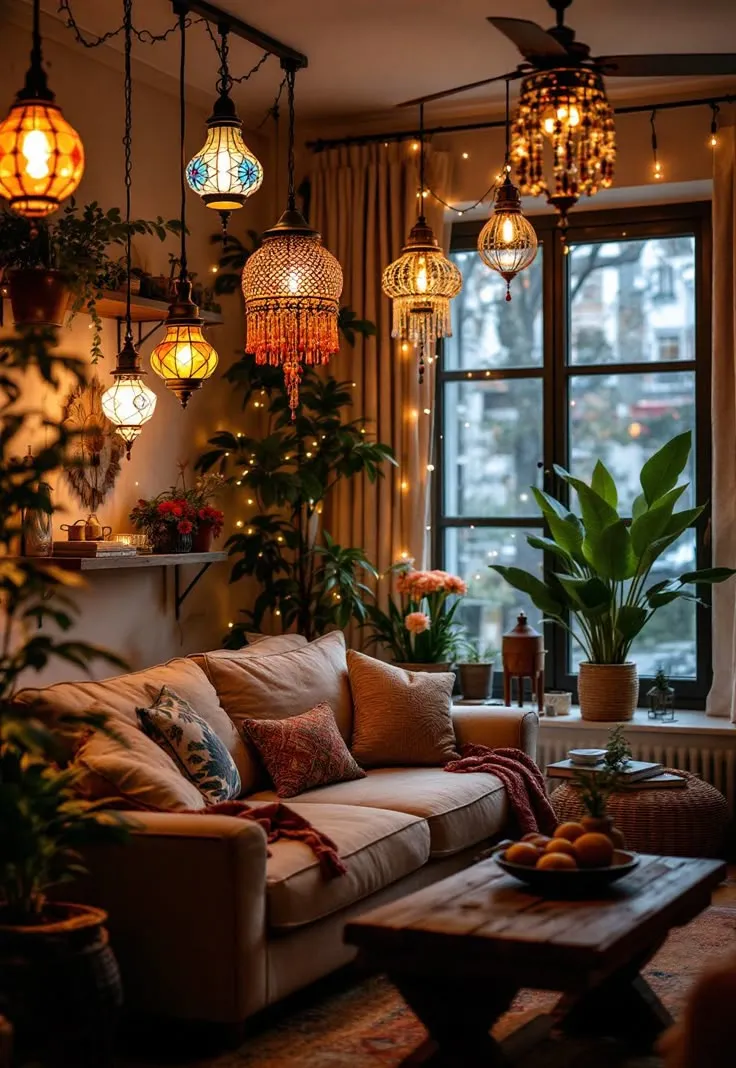
Photo: Oluwafemi stephens, CC BY-SA 4.0, via Wikimedia Commons
Let's be honest about something: the internet promised us everything and then slowly started feeling like a lot. Infinite content. Infinite connection. Infinite options that somehow leave you lying on the couch at 11pm, scrolling with your thumb while your brain checks out completely.
Gen Z — the generation that grew up inside this bargain — is starting to renegotiate the terms. And the way they're doing it is genuinely fascinating.
The Backlash Nobody Saw Coming
Here's the thing about growing up digital: you're the first generation to have no memory of life without it, which means you're also the first generation with a clear-eyed view of exactly what it costs. Older millennials went online and thought they were upgrading. Gen Z went online and eventually thought, wait, is this it?
The numbers are starting to reflect that shift. Vinyl record sales in the US hit a 36-year high in 2023. Board game cafés are opening in cities that haven't seen new brick-and-mortar entertainment concepts in years. Unplugged retreat experiences — literal multi-day getaways where phones are checked at the door — are selling out months in advance. Film photography is back with a vengeance, and not just as an aesthetic choice.
This isn't a trend being driven by people who remember a pre-internet world and miss it. It's being driven by people who've never known anything else — and who are actively choosing to create friction where there used to be none.
What "Analog" Actually Means Right Now
When we talk about the analog revival, it's easy to frame it as nostalgia, as if twenty-somethings are cosplaying the 1970s. But that reading misses what's actually happening.
The draw isn't really about the format. It's about what the format does to the experience.
A vinyl listening party isn't just about the warm sound of a record (though that's real). It's about the fact that you can't skip it. You commit to a side. You sit with an album. You're in the room, together, experiencing the same thing at the same time, with no algorithm deciding what comes next. That's a fundamentally different social contract than passing a Spotify queue around.
A board game café isn't just a place to play Catan. It's a place where your hands are occupied, your eyes are on the table, and conversation happens naturally in the gaps between turns — without anyone feeling the pressure to perform for an audience of followers.
An unplugged hangout isn't a punishment. It's a permission structure. You're not allowed to check your phone, which means nobody else is either, which means everyone is actually there.
The common thread: these experiences are bounded. They have edges. And in a media environment defined by infinite scroll and autoplay, something with edges feels almost radical.
FOMO Fatigue Is Real and It's Reshaping Nightlife
There's a specific kind of exhaustion that's settled into the culture over the last few years, and it doesn't have a clean name yet. Call it FOMO fatigue. The burnout of always being aware of everything happening everywhere, always feeling slightly behind on content, always performing your leisure for the feed.
Going out used to mean going out. Now it sometimes means going out and producing content about going out, which is basically a second job with worse pay and more anxiety.
The venues and experiences that are resonating hardest with younger crowds right now are the ones that explicitly opt out of that dynamic. The speakeasy with a no-phones-on-the-dancefloor policy that people actually love being enforced. The listening bar where the vibe is so intentionally chill that pulling out your phone feels rude. The pottery class night that's become a go-to date idea specifically because you're covered in clay and it's impossible to look Instagram-ready.
This is a genuine cultural shift in what counts as a good night. The new flex isn't the photo. It's the story you tell after, with your hands, about the thing you actually did.
How Smart Venues Are Capitalizing
Entertainment entrepreneurs who are paying attention are building around this shift in some really creative ways.
Across major US cities, a new wave of "experience-first" venues is emerging — spaces where the activity is the point, not the backdrop. Think axe-throwing bars, ceramics-and-cocktails studios, vinyl swap nights at independent record stores, puzzle bars, and candlelit board game lounges. These aren't gimmicks. They're environments engineered to produce the kind of present-moment engagement that a screen literally cannot offer.
The key insight these operators share: people aren't anti-technology. They're anti-passivity. Give them something to do with their hands, something to compete at, something to make or build or figure out together, and they will show up and spend money and come back. Give them another room to stand in while they look at their phones, and they'll stay home.
Hosts throwing private gatherings are catching on too. The dinner parties generating the most buzz right now aren't the ones with the most elaborate charcuterie boards. They're the ones with a structured activity — a group cooking challenge, a blind wine tasting with a scoring sheet, a collaborative playlist built on physical sticky notes. Something to do that becomes the architecture of the whole night.
The Wellness Angle Nobody's Ignoring
There's a reason this trend lives at the intersection of nightlife and wellness culture — because the people driving it aren't separating those two things the way older generations did.
For Gen Z, a night out that leaves you feeling genuinely connected, mentally present, and not doom-scrolling at 2am is, by definition, a healthier night out. The wellness conversation has expanded from green juice and yoga to include how you spend your social time and whether it actually fills you up or just fills the hours.
Analog experiences tend to win that test. There's a reason people describe vinyl listening parties and board game nights using the same language they use for therapy or meditation: I felt really present. I actually disconnected. I forgot about everything else for a while.
That's not a small thing. That's the whole thing.
The Takeaway
The screens aren't going anywhere. Nobody's arguing they should. But the monopoly on how we spend our social and leisure hours? That's cracking — and what's coming through the cracks is something worth paying attention to.
The experiences that are winning right now have texture, presence, and edges. They ask something of you. They put you in the same room as other people in a way that actually means something.
Logged off and loving it isn't a lifestyle choice for people who can't handle the internet. It's a preference statement from a generation that understands the internet better than anyone — and has decided that some nights, real life is just the better platform.